
As migrants arrive in Mass., volunteers step up to offer housing
The host home model offers migrants a safe place to stay as they settle into more permanent housing. Find out how you can host a migrant in your home.
In 2018, Winchester couple Bruce and Linda Alexander floated the idea of hosting a refugee, asylum seeker, or migrant in their home. They were both retired, albeit still actively involved as a volunteer (in Bruce’s case) and a part-time ESOL educator (in Linda’s case) for immigrant advocacy groups. Importantly, they had space in their three-bedroom, one-and-a-half bath home.
But it wasn’t until they received an urgent call from the director of a resettlement agency asking them if they were interested in temporarily hosting a middle-aged woman asylum seeker from Uganda that they became a host home.
“All of a sudden – boom – 24 hours later, she’s walking up to our door, escorted by the woman who called us, and we took her into our home,” Bruce Alexander told Boston.com in an interview. “Nobody will come knocking on your door saying ‘Hey, would you like to be a host?’” he said. “You’ve got to look for it just like we did. And lo and behold, you may stumble into something and magic happens.”
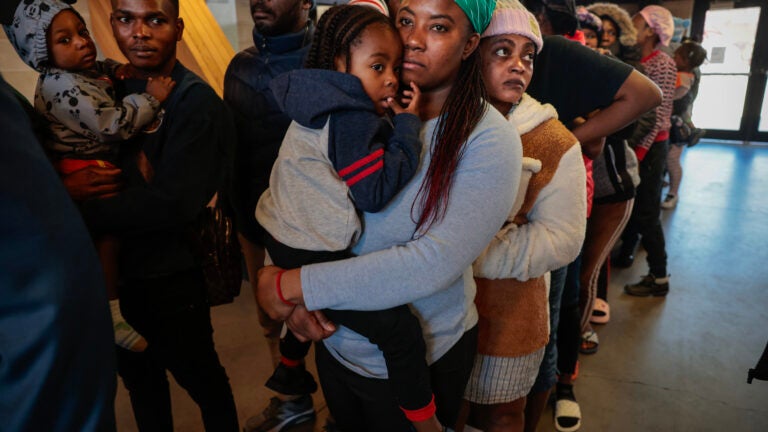
Today, just over 7,500 families are currently in the emergency shelter system in Massachusetts. Half of them — 3,745 in total — entered the system legally as migrants, refugees, or asylum seekers as of Feb. 22, according to an Emergency Assistance report the Healey administration filed on Monday.
The host home model offers migrants a safe place to stay as they get their work authorization — which can be a monthslong process — and transition into more permanent housing.
At the time that they hosted, the Alexanders were a part of a group called MetroNorth Cluster, now called Immigrant Support Alliance (ISA). It is one of many organizations across the state that work with resettlement agencies and other community partners to help refugees, asylum seekers, and migrants settle into a new life here in the U.S.
ISA is a volunteer-run nonprofit that not only helps house migrants, but also helps them with English language tutoring, navigating the transportation system, accessing the healthcare system and doctors, connecting with a lawyer if need be, financial literacy, food banks, and more.
“The idea is that they’ll become part of the community, and once they’re able to work, then we start to transition them to financial independence,” president of ISA Paul Belfanti told Boston.com. “But we retain those relationships for a long period of time after they leave our direct support.”
Massachusetts residents who are interested in hosting a migrant through ISA are asked to make at least a three month commitment, Belfanti said. But it often turns into a longer arrangement “because the client becomes part of the family and they are all getting along.”
Opening up your home
The majority of the migrants coming into the Commonwealth are humanitarian parolees from South and Central America as well as from Haiti, according to Jeffrey Thielman, the president and chief executive officer of International Institute of New England, one of the oldest and largest social service organizations for new Americans in the region.
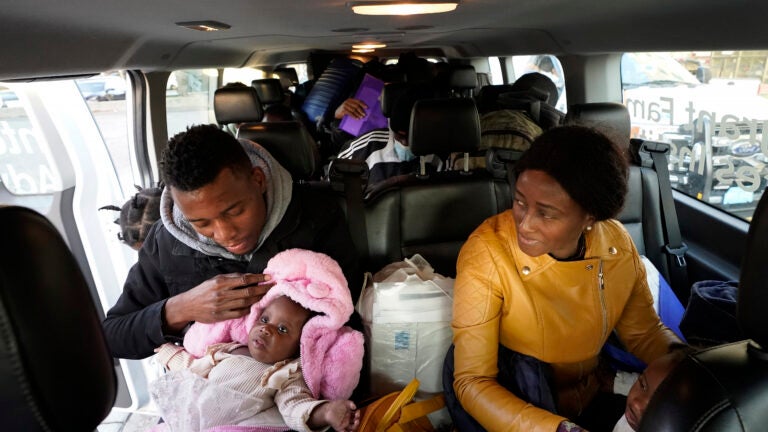
Humanitarian parolees enter the U.S. legally and are granted parole for a fixed period of time, ranging from a few weeks to a couple of years. Parolees can apply for work permits, but the permits aren’t often issued right away. This leaves parolees stranded without work for months on end and in need of temporary housing before they are financially independent, Thielman said.
“We try to support them during that time to find a place for them to live, make sure they’ve got food, help them with ESL or vocational training, get their kids registered for school, we make sure they get to the doctors, etc.,” Eric Segal, founder of ArCS Cluster, a group of volunteers helping refugees and asylum seekers in Arlington, Cambridge, and Somerville, told Boston.com.
The need is so dire that hosting a family for even just a few nights can be hugely beneficial for migrant families, Segal said.
“It’s way way better than sleeping on the floor at Logan Airport,” he said. “I’ve hosted myself and it was a really fabulous experience. We had a family of three here for about a week, and I think we made a big difference for them. We really enjoyed connecting with them.”
There are several steps to make sure both the host home and migrant are a good match and to set ground rules for the arrangement.
The hosts and the clients meet each other before they make the full commitment, taking into consideration any common languages shared between host and client, and making sure both parties are a good fit for one another. Hosts then will sign informal contracts with their client to set expectations, ground rules, and boundaries.
“There’s usually a standard rule of no smoking, but also things like are you allowed to cook in your room or would the family prefer that you use the kitchen facilities, things like that,” Linda Alexander said. “Our contract says that the people who live in our home aren’t expected to be servants or do chores or that kind of thing. You really need to be respectful of the individual living with you, and that person also will respect the host home situation. It’s a dance.”
Belfanti and other leaders of community resettlement programs acknowledged that hosting is already a generous commitment, and therefore, hosts are not asked to provide services outside of housing their client in a safe and clean environment, and providing kitchen and bathroom facilities. ISA hosts are even given an honorarium to cover extra utility costs during their client’s stay to ensure they are not financially burdened, he said.
“That’s all we’re asking of them. In other words, those other services that I talked about, whether it’s English tutoring, building up a resume, helping with the job search, navigating transportation, etc., other people in our group take care of that,” he said. “The host is not expected to do everything, they’re just expected to provide a roof overhead – and that’s a lot, so we don’t expect more than that.”
‘It was such an enriching experience’
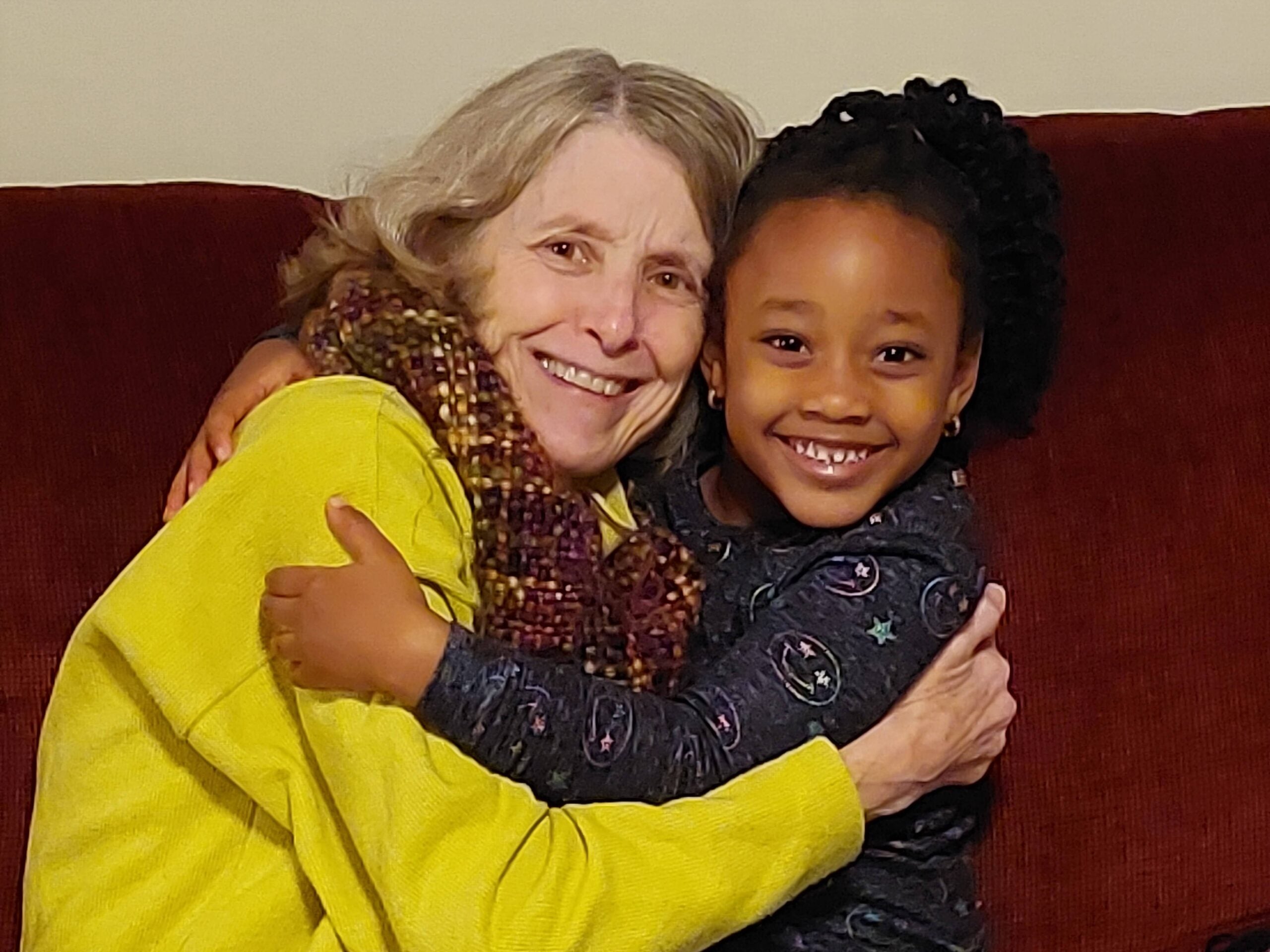
The Alexanders still stay in touch with the asylum seeker they hosted and consider her part of their extended family.
The woman, who the Alexanders did not name in order to protect her privacy and safety, had to leave her family and teenage daughter behind in Uganda when she sought asylum in the U.S. She had been staying with her niece for a time before moving into a place of her own, only to find herself in a “threatening situation,” Linda Alexander explained.
“[When] she showed up on the doorstep, it was clear that she had been traumatized and was tired of living with that,” Linda Alexander said. “She went to bed and slept for a really, really long time. And it was clear that she felt safe – she finally had someplace to stay that was safe. That was a huge thing for her.”
The Alexanders quickly got to know their new guest and realized that they weren’t just giving her a place to stay, but that they were getting so much in return too.
“It was such an enriching experience. We would talk, we’d have dinner together, we would watch the TV and discuss the news – which at that time was very interesting – and we got to learn more about her and her life in Uganda,” Linda Alexander said.
The woman found work as a certified nursing assistant a month-and-a-half into her stay and began building the foundation of a new life here in the U.S. In December 2023, six years after she first came to the U.S., the woman brought her daughter over as part of the provisions of asylum. Her daughter is currently working to start her own career in healthcare, Bruce Alexander said.
“She’s now not a client but a friend. And we consider that she’s part of our extended family and vice versa,” Bruce Alexander said.
How you can help migrant families in Massachusetts
If you want to help newly arrived immigrants, asylum seekers, and refugees, but can’t offer up space in your home, there are plenty of ways to still lend your support.
Under the IINE’s “Resettle Together” program, groups of people – whether it be college students, a faith community, a group of neighbors, a group of volunteers, etc. – can form a community sponsorship team. The team works with IINE agency resettlement staff under a formal agreement to prepare and welcome refugees into their communities.
Under the supervision of IINE staff, sponsor groups will be trained to provide core resettlement services, including locating and setting up housing, airport pickups, cultural orientation, school enrollment, financial support and in-kind donations.
“We essentially train people how to be guides and advocates for families when they come,” Thielman said. “It’s a really wonderful opportunity, because it’s a chance for your family, or your group of friends, or your college or your church to become directly involved with a refugee or asylee family.”
Below find a list of resources Massachusetts residents interested in hosting a migrant in their home can use to learn more about next steps and advocacy organizations in their neighborhood.
Resettlement Agencies
Immigrant Family Services Institute
Catholic Charities of the Archdiocese of Boston, Refugee & Immigrant Services
International Institute of New England
Refugee & Immigrant Assistance Center
Advocacy Organizations
Massachusetts Office for Refugees & Immigrants
Massachusetts Immigrant & Refugee Advocacy Coalition (MIRA)
Community-based Immigrant Support Organizations
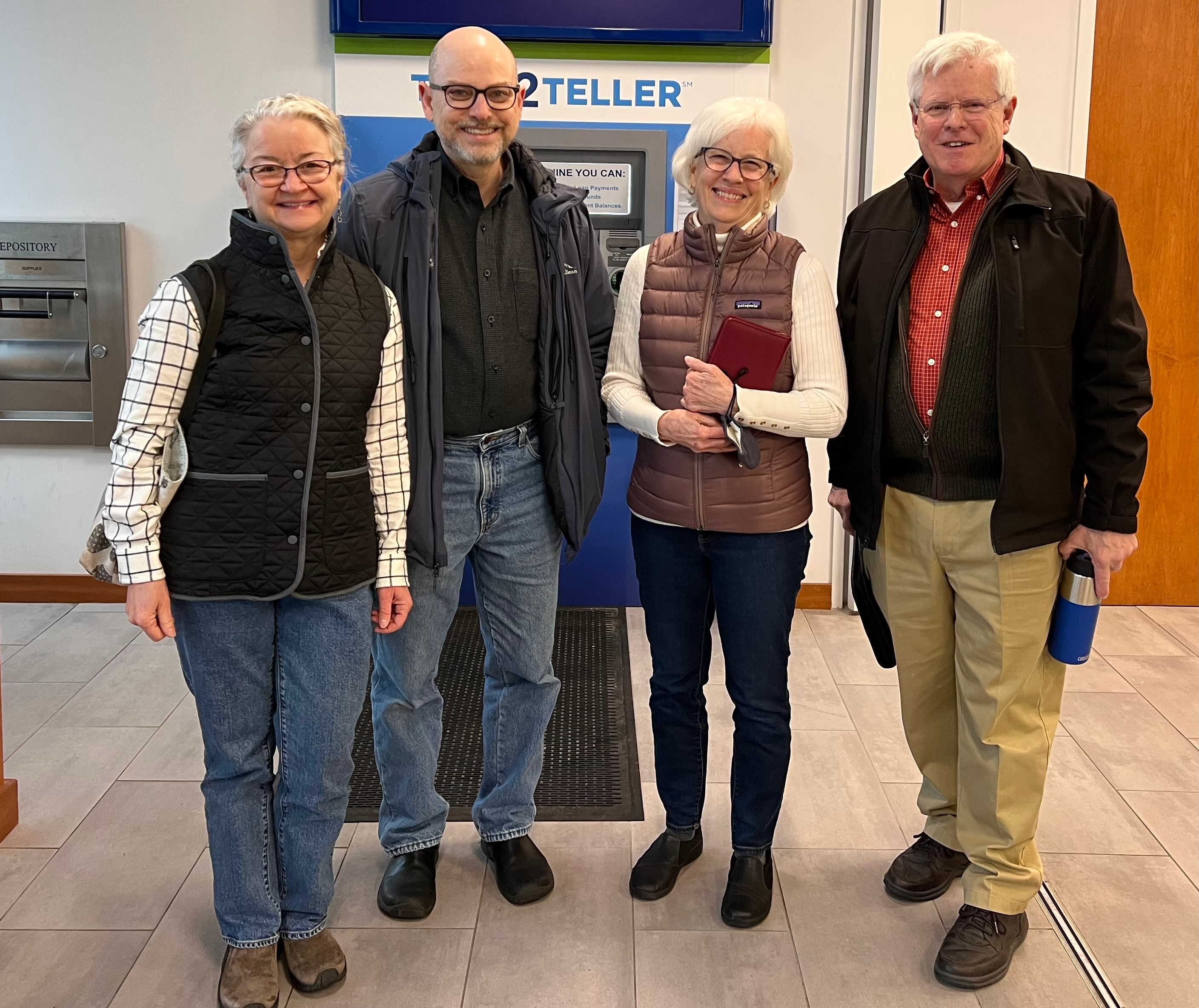
ArCS Cluster (Arlington, Cambridge, Somerville)
LexRAP (Lexington Refugee Assistance Program)





Be civil. Be kind.
Read our full community guidelines.To comment, please create a screen name in your profile
To comment, please verify your email address